
What is ChatBot?
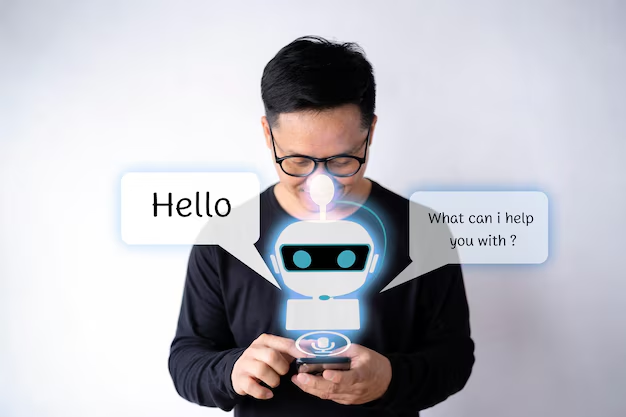
A chatbot is a type of software designed to simulate human conversation. Using artificial intelligence (AI) and natural language processing (NLP), chatbots can understand and respond to text or voice commands. The main goal of a chatbot is to assist users by answering questions, providing information, solving problems, or completing tasks without requiring direct human interaction.
In simple terms, a chatbot is a virtual assistant that can chat with you, just like a person would—but it’s automated.

Types of Chatbots
Rule-Based Chatbots
Rule-based chatbots follow predefined scripts and respond to specific keywords or commands. They are simple to build and effective for handling basic tasks like answering FAQs, but they are limited in handling complex or unexpected interactions.
AI-Powered Chatbots
AI-powered chatbots use machine learning and natural language processing to understand and respond to a wide range of queries. They can learn from interactions and offer more personalized, dynamic ,suitable for complex tasks
How Do Chatbots Work?
Chatbots work by processing input (usually in the form of text or voice) and generating relevant responses based on a set of rules or algorithms. The process typically involves:
- Input Understanding: The chatbot uses NLP to understand what the user is saying or asking. For example, it breaks down sentences, identifies keywords, and deciphers intent.
- Processing the Request: Based on the input, the chatbot either triggers a pre-written script (in rule-based systems) or analyzes the query to generate a more dynamic response (in AI-powered systems).
- Response Generation: Once the query is processed, the chatbot provides an appropriate answer or takes action, such as fetching information, making recommendations, or completing a task (like booking a ticket).
Why are Chatbots Important?
24/7 Availability:
- Chatbots never sleep, making them perfect for providing round-the-clock customer support. Whether it’s late at night or during holidays, chatbots are always ready to assist.
Cost-Effective:
- For businesses, chatbots can reduce the need for a large customer service team. They can handle routine inquiries, leaving human agents to focus on more complex tasks.
Enhance User Experience:
- Chatbots can provide instant responses. They help users find information quickly, book appointments, make purchases even troubleshoot issues without waiting .
Personalized Interaction:
- AI chatbots can analyze user preferences and behavior to provide tailored responses. For example,recommend products based on previous shopping history.
Common Uses of Chatbots
- Customer Support: Chatbots can answer FAQs, provide troubleshooting tips, and direct users to appropriate resources or human agents when needed.
- E-commerce: Many e-commerce websites use chatbots to assist with product recommendations, track orders, and help with returns or exchanges.
- Healthcare: Chatbots in healthcare can schedule appointments, provide basic medical advice, or send reminders for medication.
- Banking and Finance: Some financial institutions use chatbots to help customers check balances, transfer funds, or answer account-related queries.
- Entertainment and Travel: Bots can help users book tickets, provide event information, or suggest travel destinations.
Chatbots in Everyday Life
If you’ve ever interacted with a company’s live chat feature on their website or asked Siri for help, you’ve used a chatbot. From scheduling appointments with your doctor to getting personalized product recommendations from an online store, chatbots are quietly and efficiently making our daily tasks easier. The future of chatbots is bright, with improvements in AI making them more capable, intelligent, and helpful.



Future of Chatbots
- More Human-Like Conversations: As AI improves, chatbots will become more conversational, understanding the context of interactions better and responding with greater empathy.
- Multi-Channel Integration: Chatbots are increasingly being integrated into various platforms—messaging apps like WhatsApp, social media, websites, and even voice assistants like Google Home and Amazon Echo.
- Automation and Personalization: Expect more chatbots to automate tasks, such as managing your calendar, sending reminders, or even predicting your needs based on behavior.
Final Thoughts
Chatbots are a powerful technology that’s changing the way businesses interact with customers and how people complete tasks. Whether it’s handling customer service inquiries, assisting with shopping, or providing valuable information, chatbots are making communication faster, more efficient, and accessible. As AI continues to advance, we can expect chatbots to become even more sophisticated, making them an essential part of our digital world.